Introduction
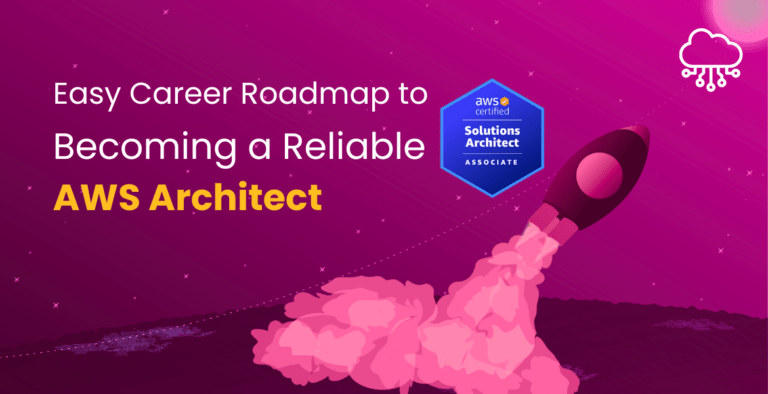
Whether you’re a fresher starting your first IT job, a working professional planning a career switch, or an experienced employee aiming for leadership roles, having a structured learning path can make a significant difference. Instead of collecting random certifications, it’s important to build skills in the right sequence based on your career goals. This roadmap explains the most valuable IT certifications in 2026, how they complement each other, and why combining cloud, project management, and DevOps skills can open doors to high-paying career opportunities. Professionals interested in cloud computing often begin with the AWS Solution Architect Certification.
Why Certifications Matter More Than Ever in 2026
Technology is changing faster than traditional degree programs can keep up. Organizations now value professionals who continuously learn and validate their expertise through globally recognized certifications.
Certifications demonstrate practical knowledge, improve credibility, and help employers identify candidates with job-ready skills. They also prepare professionals to work with modern enterprise technologies, cloud platforms, Agile frameworks, and digital transformation initiatives.
Among the most sought-after credentials today, the AWS Solutions Architect certification continues to remain one of the leading cloud certifications because of the growing adoption of Amazon Web Services across industries.
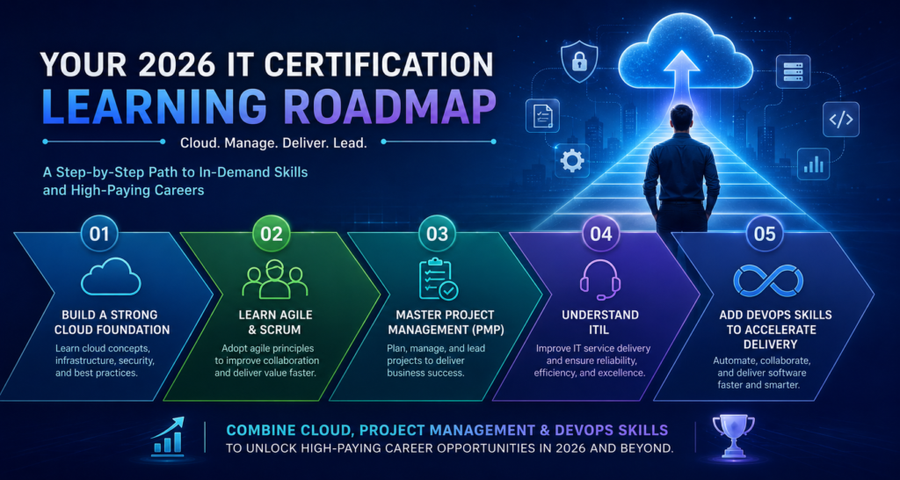
Step 1: Build a Strong Foundation with Cloud Computing
Cloud computing has become the backbone of digital transformation. Businesses are moving applications, databases, and infrastructure to cloud platforms to improve scalability, security, and operational efficiency.
Learning cloud concepts first gives professionals a strong technical foundation before exploring specialized career paths like DevOps, AI, cybersecurity, or cloud architecture.
The AWS Solution Architect Certification helps learners understand:
- Cloud infrastructure design
- Networking fundamentals
- Storage solutions
- Security best practices
- Identity and access management
- High availability and disaster recovery
Professionals preparing for certification often enroll in AWS classes in Chennai, where they receive instructor-led guidance, hands-on labs, and real-world project exposure. Flexible AWS courses in Chennai also help working professionals balance learning with their careers.
Step 2: Learn Agile and Scrum for Modern Project Delivery
Today’s organizations expect teams to deliver software quickly while adapting to changing customer requirements. Agile methodologies have replaced traditional project execution in many industries.
Scrum introduces structured collaboration through defined roles, sprint planning, daily stand-up meetings, and continuous feedback. These practices improve productivity and product quality while encouraging teamwork.
Agile knowledge is valuable not only for project managers but also for developers, testers, business analysts, and product owners.
To unlock high-paying career opportunities in 2026 and beyond
Step 3: Master Project Management with PMP
Technical expertise alone is rarely enough for senior positions. Organizations also need professionals capable of planning projects, managing stakeholders, controlling budgets, and delivering business value.
Project Management Professional (PMP) certification develops these leadership skills by covering:
- Project planning
- Risk management
- Budget control
- Resource management
- Stakeholder communication
- Performance monitoring
Professionals with both cloud and project management expertise often become valuable assets for enterprise digital transformation initiatives.
Step 4: Understand ITIL for Better IT Service Management
Technology teams don’t simply build software—they also maintain services that customers rely on every day.
ITIL provides internationally accepted best practices for delivering reliable IT services. It focuses on service strategy, incident management, problem management, change management, and continual service improvement.
Organizations implementing ITIL frameworks improve operational efficiency while maintaining higher service quality and customer satisfaction.
Step 5: Add DevOps Skills to Accelerate Software Delivery
DevOps connects software development and IT operations by encouraging automation, collaboration, and continuous delivery.
Instead of manual deployments and lengthy release cycles, DevOps enables organizations to release software more frequently with greater reliability.
Key DevOps skills include:
- Continuous Integration (CI)
- Continuous Deployment (CD)
- Infrastructure as Code
- Containerization
- Monitoring and logging
- Automation tools
Cloud platforms such as AWS provide the infrastructure required for successful DevOps implementation, making cloud knowledge an important advantage.
To unlock high-paying career opportunities in 2026 and beyond
Difference Between Popular IT Certifications
Certification | Primary Focus | Best For | Career Opportunities |
| AWS Solution Architect Certification | Cloud Architecture | Cloud Engineers, Architects | Cloud Solutions Architect, Cloud Engineer |
| PMP | Project Management | Project Managers | Program Manager, Project Manager |
| Scrum | Agile Delivery | Scrum Masters, Developers | Scrum Master, Agile Coach |
| ITIL | IT Service Management | IT Support, Service Managers | IT Service Manager |
| DevOps | Automation & Deployment | Developers, Operations Engineers | DevOps Engineer, Site Reliability Engineer |
How These Certifications Work Together
Many professionals believe they must choose only one certification. In reality, these certifications complement one another and build a stronger professional profile.
For example:
- Cloud skills enable infrastructure expertise.
- Scrum improves Agile collaboration.
- PMP develops leadership and project execution.
- ITIL enhances service management.
- DevOps accelerates software delivery.
Together, these skills prepare professionals for modern enterprise environments where cloud computing, automation, and business strategy work together.
One of the biggest AWS certification benefits is that it creates a solid foundation upon which professionals can build additional expertise in DevOps, AI, cybersecurity, and cloud-native application development.
Career Opportunities After Following This Roadmap
Completing this learning path can prepare professionals for several high-demand roles, including:
- Cloud Solutions Architect
- DevOps Engineer
- Scrum Master
- Project Manager
- Cloud Consultant
- Technical Program Manager
- IT Service Manager
- Solutions Engineer
- Infrastructure Consultant
- Cloud Operations Specialist
As organizations continue investing in digital transformation, professionals with multidisciplinary knowledge are expected to enjoy stronger career growth and better salary prospects.
Conclusion
Starting with the AWS Solution Architect Certification provides a strong cloud foundation, while the AWS Solutions Architect certification enhances your ability to design scalable cloud solutions for enterprise environments. Choosing practical AWS classes in Chennai or flexible AWS courses in Chennai can accelerate your learning through hands-on experience and expert guidance. When combined with Scrum, PMP, ITIL, and DevOps knowledge, these certifications create a comprehensive career roadmap that prepares you for the future of IT. Along with the many AWS certification benefits, this learning path helps professionals remain competitive in an industry driven by innovation and continuous transformation.
FAQ
1. Which certification should I start with in 2026?
If you’re interested in cloud computing, the AWS Solution Architect Certification is an excellent starting point before moving to DevOps or advanced cloud roles.
2. Is PMP suitable for technical professionals?
Yes. PMP is valuable for engineers, technical leads, business analysts, and professionals who want to transition into project management.
3. Do DevOps engineers need AWS knowledge?
Yes. Most DevOps environments use cloud platforms, making AWS skills highly valuable.
4. What are the major AWS certification benefits?
They include improved cloud expertise, global recognition, better salary potential, increased job opportunities, and practical knowledge of AWS services.
5. Are AWS classes in Chennai suitable for beginners?
Yes. Many training institutes offer beginner-friendly classroom programs with hands-on labs and certification guidance.
6. Can I complete AWS courses in Chennai while working full-time?
Absolutely. Many institutes provide weekend, evening, and online learning options designed for working professionals.
7. Is Scrum useful outside software development?
Yes. Agile and Scrum practices are widely used in marketing, finance, healthcare, manufacturing, and product development.
8. Can multiple certifications improve career growth?
Yes. Combining cloud, Agile, project management, DevOps, and IT service management skills creates a well-rounded profile that employers highly value.
Written by
Venkat Raman
Expert instructor and certified professional with extensive experience training working professionals for global certifications including PMP, AWS, CSM, and PSM.