Introduction
Whether you are a student entering the IT industry, a software developer looking to upskill, or an experienced professional aiming for leadership roles, understanding how these domains connect can significantly improve your career prospects. Instead of pursuing random certifications, following a structured learning path helps you develop both technical expertise and management capabilities.
Why Modern IT Professionals Need Cross-Functional Skills
A decade ago, professionals often specialized in a single area. Today, organizations prefer employees who understand multiple aspects of technology. A cloud engineer must consider security, a project manager should understand Agile workflows, and cybersecurity professionals increasingly work with cloud-native environments.
Developing expertise across these interconnected fields helps professionals:
- Adapt to rapidly changing technologies.
- Improve collaboration across teams.
- Solve business problems more effectively.
- Increase employability and salary potential.
- Prepare for leadership and consulting roles.
Professionals who combine technical knowledge with project leadership often become valuable contributors to digital transformation initiatives.
Cloud Computing: The Backbone of Digital Transformation
Cloud computing enables organizations to store data, deploy applications, and scale infrastructure without relying on expensive on-premises hardware. Nearly every industry, including healthcare, banking, retail, education, and manufacturing, depends on cloud technology. AWS courses in Chennai are an excellent starting point for professionals who want to build practical cloud expertise. These programs typically cover cloud architecture, networking, virtual machines, storage services, databases, security, monitoring, and infrastructure management through hands-on exercises.
Cybersecurity: Protecting Digital Assets in a Connected World
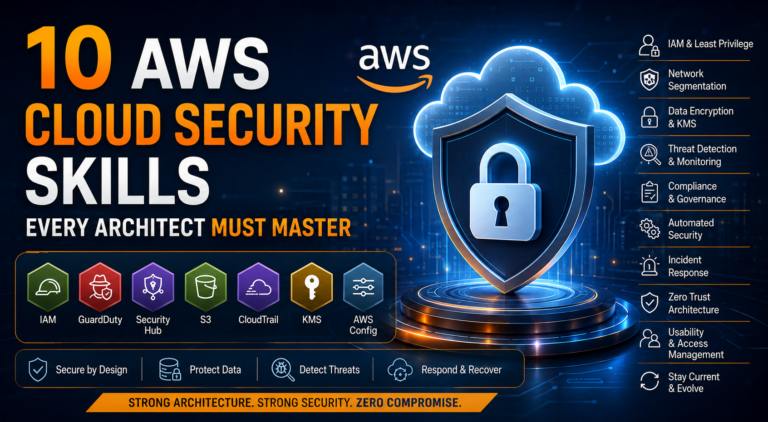
As businesses continue migrating applications and sensitive information to the cloud, cybersecurity has become a strategic priority rather than simply an IT function. Cybersecurity professionals are responsible for protecting systems against cyber threats, ransomware attacks, phishing campaigns, insider risks, and data breaches. Their responsibilities include implementing security policies, monitoring infrastructure, managing identity and access controls, conducting vulnerability assessments, and ensuring regulatory compliance. Cloud security has become one of the fastest-growing specializations because organizations require professionals who understand both cloud infrastructure and modern security practices. Combining cloud knowledge with cybersecurity significantly enhances career opportunities.
Agile Methodologies Improve Team Performance
Technology projects rarely succeed without effective collaboration. Agile methodologies help organizations deliver software faster through continuous feedback, short development cycles, and improved communication. An agile scrum master facilitates Agile ceremonies, supports development teams, removes obstacles, and promotes continuous improvement throughout the project lifecycle. Scrum Masters help organizations remain adaptable in rapidly changing business environments.
Building Leadership Through Advanced Agile and Project Management
Technical skills create opportunities, but leadership skills drive long-term career advancement.
Completing Advanced scrum master training enables experienced professionals to lead Agile transformations, coach cross-functional teams, resolve organizational challenges, and implement Agile practices across multiple departments. Advanced Scrum education focuses on servant leadership, enterprise Agile scaling, coaching techniques, and organizational change management.
Complete Guide to Cloud Computing, Cybersecurity, Agile & Project Management
Difference Between Cloud Computing, Cybersecurity, Agile & Project Management
| Category | Cloud Computing | Cybersecurity | Agile | Project Management |
| Primary Objective | Build scalable infrastructure | Protect systems and data | Deliver software efficiently | Successfully manage projects |
| Main Professional | Cloud Engineer | Security Analyst | agile scrum master | Project Manager |
| Core Skills | Networking, Storage, Cloud Architecture | Threat Detection, Risk Assessment, Compliance | Sprint Planning, Collaboration | Planning, Budgeting, Communication |
| Popular Learning Path | AWS courses in Chennai | Security Certifications | Best Agile Scrum Certification | Best PMP training in Chennai |
| Career Opportunities | Solutions Architect, DevOps Engineer | Security Engineer, SOC Analyst | Agile Coach, Scrum Master | Program Manager, Delivery Manager |
| Industry Demand | Very High | Very High | High | High Across Industries |
Why Employers Prefer Multi-Skilled Professionals
Organizations increasingly value professionals who can understand technical systems while effectively managing teams and business objectives. A Cloud Engineer with cybersecurity knowledge can build secure architectures. A Scrum Master who understands cloud technologies communicates more effectively with technical teams. A Project Manager familiar with Agile and cybersecurity can make informed decisions throughout the project lifecycle. This combination of technical expertise and management capability creates professionals who can contribute at every stage of digital transformation.
Conclusion
Cloud Computing, Cybersecurity, Agile, and Project Management are no longer independent career paths; they are complementary disciplines that shape the future of the technology industry. Professionals who develop expertise across these areas gain a competitive advantage in an increasingly digital world. Continuous learning, practical experience, and recognized certifications remain the most effective strategy for building a successful and future-ready IT career.
FAQ
1. Why should IT professionals learn Cloud Computing, Cybersecurity, Agile, and Project Management together?
These disciplines complement each other and prepare professionals to manage modern technology projects from infrastructure and security to delivery and leadership.
2. What are the AWS certification benefits?
AWS certifications validate cloud expertise, improve job opportunities, increase earning potential, and support career growth in cloud and DevOps roles.
3. Is the Best Agile Scrum Certification suitable for beginners?
Yes. It is ideal for developers, testers, business analysts, project coordinators, and anyone interested in Agile software development.
4. Who should enroll in Advanced scrum master training?
Experienced Scrum Masters, Agile Coaches, Team Leads, and professionals leading Agile transformations will benefit the most.
5. Why choose Best PMP training in Chennai?
It prepares professionals for globally recognized PMP certification while strengthening project leadership and strategic management skills.
6. Is the best online project management certificate useful for working professionals?
Yes. Online learning provides flexibility while helping professionals build practical project planning, execution, and leadership capabilities.
7. Are AWS courses in Chennai suitable for fresh graduates?
Absolutely. Most AWS training programs begin with cloud fundamentals before progressing to advanced concepts and practical implementation.
8. Which career path offers the best long-term growth?
Professionals who combine cloud computing, cybersecurity, Agile methodologies, and project management are well-positioned for sustained career growth across industries.
Written by
Venkat Raman
Expert instructor and certified professional with extensive experience training working professionals for global certifications including PMP, AWS, CSM, and PSM.