Introduction
Technology is reshaping every industry, and professionals who continuously upgrade their knowledge are the ones leading digital transformation. Whether you’re a student entering the IT industry, a software developer aiming for a promotion, or a project manager looking to expand your expertise, building skills in cloud computing, Agile methodologies, DevOps, and project management has become essential. These domains complement one another, enabling professionals to deliver innovative solutions, manage teams effectively, and build scalable technology platforms.
Why Cloud, Agile, DevOps, and Project Management Work Together
Modern organizations no longer operate with isolated teams. Developers, testers, cloud engineers, operations teams, and project managers collaborate throughout the software development lifecycle. Cloud platforms provide the infrastructure, Agile ensures faster delivery, DevOps automates deployment, and project management keeps everything aligned with business goals.
Professionals who understand how these disciplines connect are better equipped to solve complex business challenges. They communicate more effectively, adapt to organizational changes, and contribute beyond their technical roles.
Build a Strong Foundation with Cloud Computing
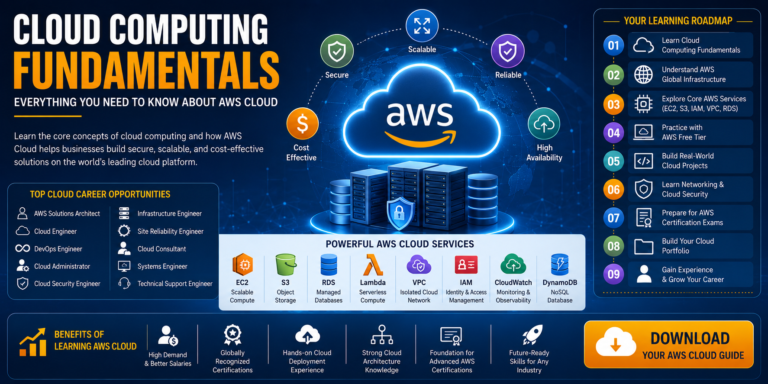
Cloud computing is one of the fastest-growing sectors in the technology industry. Organizations are migrating applications, databases, and enterprise systems to cloud platforms to improve scalability, flexibility, and operational efficiency. Joining AWS courses in Chennai provides practical knowledge of cloud architecture, virtual servers, networking, storage, security, identity management, monitoring, and application deployment. These skills prepare professionals for careers as Cloud Engineers, Cloud Administrators, Solutions Architects, and DevOps Engineers.
Agile Learning: Deliver Better Projects Faster
Today’s software companies rely heavily on Agile frameworks to accelerate product development while maintaining quality. Agile encourages collaboration, adaptability, continuous feedback, and incremental product delivery. Completing the Best Agile Scrum Certification helps professionals understand Scrum events, Agile principles, product backlogs, sprint planning, daily stand-up meetings, sprint reviews, and retrospectives. These practical skills are highly valued across software development, product management, and digital transformation initiatives.
As professionals gain experience, becoming an agile scrum master enables them to guide Agile teams, facilitate communication, remove delivery obstacles, and support continuous improvement throughout the development lifecycle. Professionals seeking leadership roles can further strengthen their expertise through Advanced scrum master training, which covers Agile coaching, enterprise Agile implementation, stakeholder management, conflict resolution, and scaling Scrum across multiple teams.
DevOps: Connecting Development and Operations
DevOps has transformed how organizations build, test, deploy, and maintain software applications. Instead of treating development and operations as separate departments, DevOps creates a collaborative environment supported by automation and continuous improvement.
Key DevOps practices include Continuous Integration (CI), Continuous Deployment (CD), infrastructure automation, configuration management, containerization, monitoring, and cloud-native deployment strategies. Professionals who combine DevOps knowledge with cloud computing skills are increasingly valuable because organizations seek faster software releases, improved reliability, and reduced operational risks.
Project Management: Turning Ideas into Successful Outcomes
Every successful technology initiative requires effective planning, communication, budgeting, scheduling, and stakeholder management. Project management ensures that technical teams deliver business value while meeting deadlines and quality expectations. A best online project management certificate provides foundational knowledge in project planning, resource allocation, risk management, scheduling, and communication. These skills benefit professionals across nearly every IT discipline.
As careers progress, enrolling in the Best PMP training in Chennai prepares professionals for internationally recognized project management credentials that validate leadership capabilities and strategic decision-making skills. PMP-certified professionals are frequently considered for senior leadership positions across multiple industries.
The Ultimate Learning Hub for Cloud, Agile, DevOps & Project Management
Difference Between Cloud, Agile, DevOps, and Project Management Certifications
| Certification Area | Primary Focus | Best For | Typical Career Roles |
| AWS | Cloud infrastructure and cloud services | Beginners and Cloud Professionals | Cloud Engineer, Solutions Architect |
| Agile Scrum | Agile software delivery and collaboration | Developers, QA Engineers, Team Leads | Scrum Master, Agile Coach |
| DevOps | Automation and deployment | Developers and Operations Engineers | DevOps Engineer, Site Reliability Engineer |
| PMP | Project planning and execution | Experienced Project Managers | Project Manager, Program Manager |
Creating Your Personalized Learning Roadmap
A successful learning journey doesn’t require mastering everything at once. Start by identifying your career objective and then choose certifications that build upon one another. Combining technical expertise with management knowledge creates a balanced skill set that remains valuable across industries and technology trends.
Conclusion
Success in today’s IT industry depends on continuous learning and the ability to adapt to changing technologies. A structured learning roadmap combined with hands-on experience can help you stay competitive in an ever-evolving technology landscape.
Written by
Venkat Raman
Expert instructor and certified professional with extensive experience training working professionals for global certifications including PMP, AWS, CSM, and PSM.